
Cleaner Ductwork Means Healthier Facilities
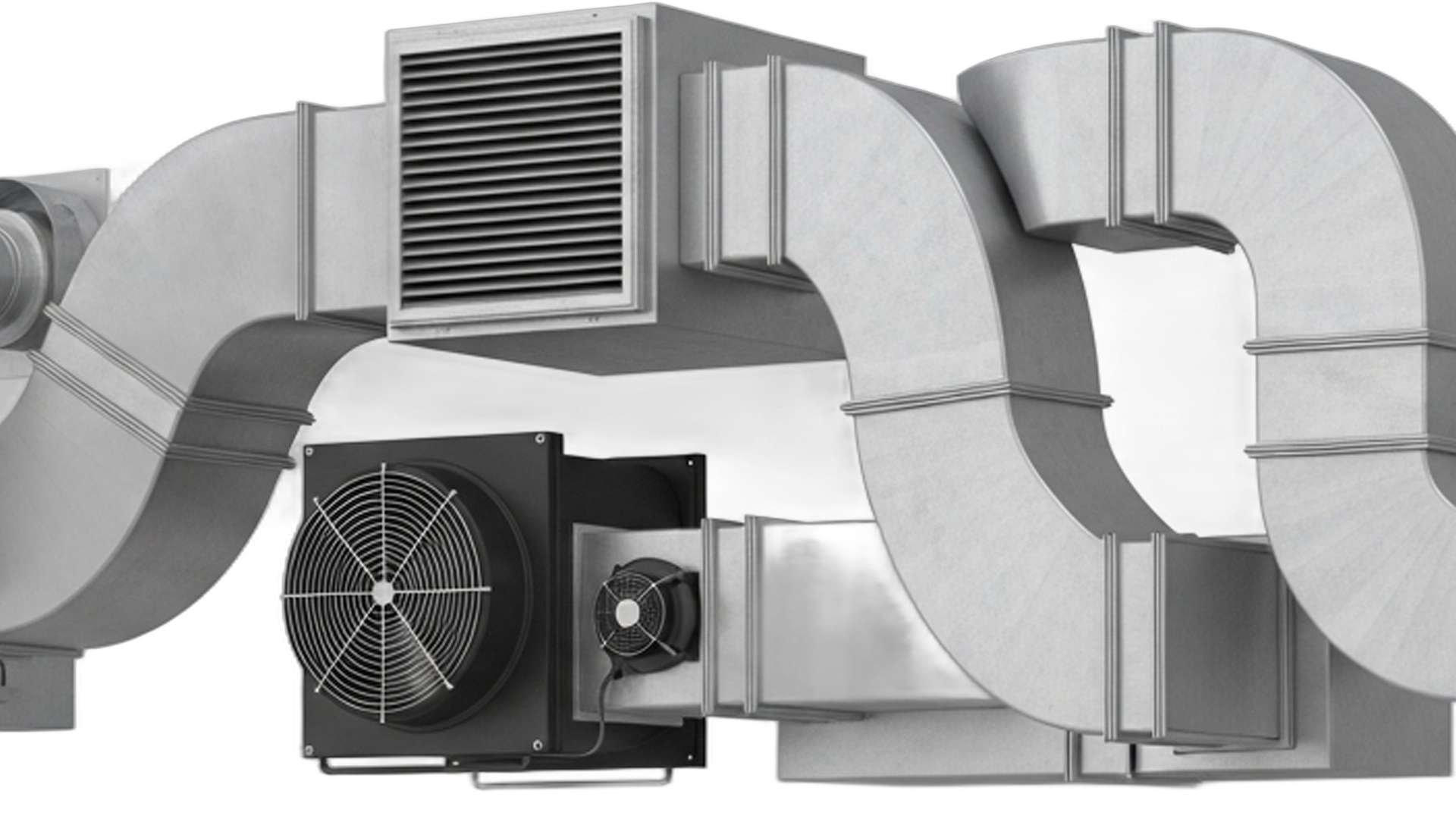
HVAC systems play a central role in maintaining comfort, safety, and productivity inside commercial and industrial facilities. While much attention is given to the equipment that moves and conditions air, the ductwork responsible for distributing that air throughout a building is often overlooked. Over time, dust, debris, and contaminants accumulate inside duct systems, gradually affecting airflow, system performance, and indoor air quality. Professional duct cleaning helps restore system efficiency while supporting healthier environments for employees, occupants, and facility visitors.
Air distribution systems operate continuously in most facilities. As air circulates through the building, small particles are inevitably pulled into the duct system. Dust from daily operations, construction materials, insulation fibers, and outdoor contaminants can gradually build up inside ductwork. In manufacturing or industrial environments, additional particles such as fine debris, process dust, and airborne residues can accelerate accumulation within the system.
As debris collects inside ductwork, airflow can become restricted. HVAC systems must work harder to move air through the building, increasing energy consumption and placing additional strain on fans, motors, and other system components. When airflow is disrupted, facilities may experience uneven temperatures, poor ventilation, or reduced system responsiveness. Over time, these inefficiencies can increase operating costs and shorten the lifespan of HVAC equipment.
Duct contamination can also affect indoor air quality. Particles trapped inside duct systems may recirculate throughout the facility as air moves through the network. In environments where consistent air quality is critical—such as healthcare facilities, commercial buildings, and manufacturing spaces—maintaining clean air distribution pathways is an important part of facility management. Clean duct systems help support healthier indoor environments by reducing the amount of accumulated debris that can be reintroduced into occupied spaces.
Another concern is the impact debris can have on HVAC system components. Dust buildup within duct systems can eventually reach coils, fans, and filters, reducing their effectiveness and increasing maintenance requirements. When airflow is obstructed or components are forced to operate under heavier loads, systems may cycle more frequently or struggle to maintain designed airflow levels. Routine duct cleaning helps prevent this buildup from affecting overall system performance.
Industrial-strength duct cleaning removes accumulated debris and restores proper airflow through the system. Professional cleaning methods are designed to reach deep within duct networks to remove dust, particulate buildup, and contaminants that standard maintenance cannot address. By clearing these obstructions, facilities can help HVAC systems operate closer to their intended design conditions.
Improved airflow is one of the most immediate benefits of professional duct cleaning. When air can move freely through the system, heating and cooling equipment operates more efficiently. Temperature control becomes more stable, ventilation improves, and systems require less effort to maintain comfortable conditions throughout the facility. This improved efficiency can contribute to lower energy usage and more predictable system performance.
Duct cleaning also supports broader facility maintenance strategies. HVAC systems represent a significant investment for most facilities, and maintaining system cleanliness is part of protecting that investment. When duct systems remain clean and unobstructed, mechanical components experience less strain and are better able to operate within their intended performance range.
Facility managers increasingly recognize that duct cleaning is not simply a cosmetic improvement but an operational one. Clean air distribution systems contribute to improved environmental conditions, more reliable HVAC performance, and better long-term facility efficiency. When integrated into routine facility maintenance planning, duct cleaning can play a valuable role in maintaining consistent system performance.
IITI Group approaches duct cleaning as part of a broader facility performance strategy. Rather than focusing only on removing debris, the goal is to restore airflow conditions that allow HVAC systems to operate the way they were originally designed. By supporting efficient airflow, stable ventilation, and improved indoor air quality, professional duct cleaning helps facilities maintain healthier and more reliable building environments.