
Combat Winter Heat Loss in Mechanical Rooms
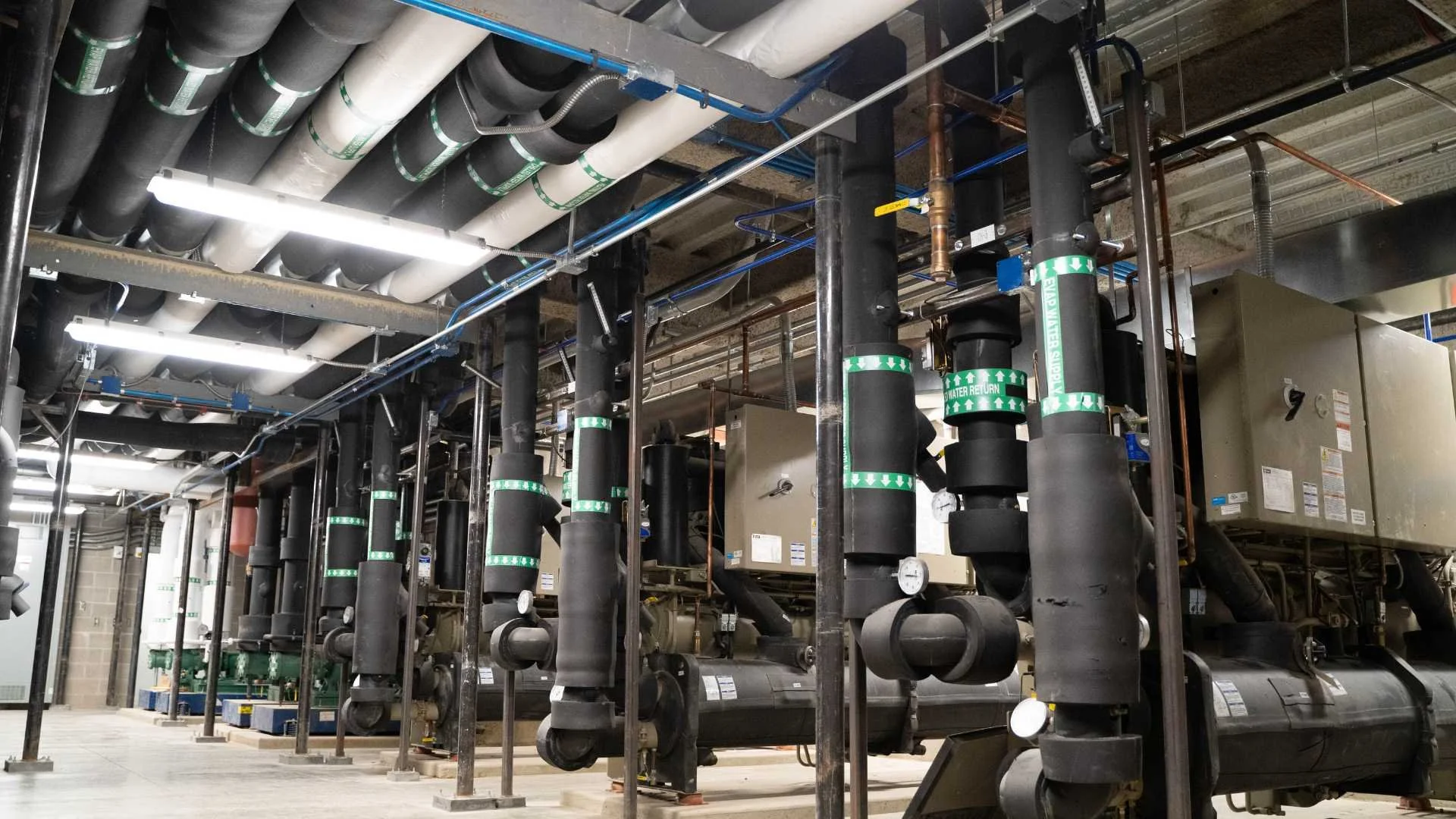
January is one of the most punishing months of the year for building infrastructure. While exterior systems face obvious exposure to extreme cold, some of the most costly energy losses happen out of sight—inside mechanical rooms. Uninsulated or deteriorated insulation on hot water lines, valves, pumps, and fittings allows heat to escape continuously, driving up utility costs and placing unnecessary strain on critical equipment. For facilities operating through peak winter demand, mechanical room heat loss is more than an efficiency issue—it’s a reliability risk.
Why Mechanical Rooms Are Especially Vulnerable in Winter
Mechanical rooms are often assumed to be protected simply because they are indoors. In reality, these spaces are frequently located near exterior walls, basements, rooftops, or loading areas where ambient temperatures drop significantly during winter months. When insulation is missing, damaged, or outdated, heat loss accelerates rapidly.
Common problem areas include uninsulated valves, flanges, and strainers, exposed domestic hot water and heating supply lines, aging insulation that has compressed or absorbed moisture, and equipment added during past upgrades that was never re-insulated. Even small exposed components can bleed energy around the clock, forcing boilers and pumps to work harder just to maintain baseline temperatures.
The Hidden Cost of Uninsulated Components
Heat loss in mechanical rooms rarely causes immediate system failure. Instead, it quietly increases operating costs while shortening equipment life.
Unaddressed heat loss can result in higher fuel and electricity consumption, inconsistent supply temperatures throughout the building, increased cycling and wear on boilers and pumps, reduced system capacity during extreme cold snaps, and premature equipment failure caused by thermal stress. Over the course of a winter season, these inefficiencies compound, turning minor oversights into measurable financial losses.
How Targeted Insulation Upgrades Deliver Immediate Results
Targeted mechanical insulation focuses on the highest-loss areas first, providing fast returns without requiring major system replacements or extended downtime. By insulating exposed piping, fittings, and equipment, facilities can stabilize temperatures and significantly reduce wasted energy.
These upgrades improve thermal efficiency, lower utility costs during peak heating months, reduce strain on mechanical systems, and improve safety by lowering surface temperatures. Because insulation work can often be phased, facilities maintain operations while still addressing critical performance gaps.
Moisture, Condensation, and Winter Damage Risks
Winter heat loss doesn’t only impact energy efficiency—it introduces moisture-related risks that escalate over time. When warm surfaces meet cold air, condensation can form on uninsulated piping and equipment. This moisture accelerates corrosion, degrades insulation materials, and can contribute to mold growth in enclosed mechanical spaces.
Proper insulation and protective jacketing prevent condensation, protect metal components, extend insulation system lifespan, and help maintain a cleaner, safer mechanical room environment. Addressing insulation issues during winter helps facilities avoid costly repairs later in the year.
Safety, Compliance, and Long-Term System Performance
Mechanical insulation plays an important role in safety and operational standards. Insulated piping reduces burn risks for maintenance personnel and supports broader energy efficiency initiatives. Well-maintained mechanical rooms also simplify inspections, maintenance, and long-term asset management.
Facilities that invest in insulation upgrades benefit from safer working conditions, improved system reliability, better energy performance tracking, and longer equipment life—advantages that extend well beyond the winter season.
Why Work With IITI Group
Mechanical rooms are complex environments where insulation performance depends on material selection, installation quality, and attention to system-specific details. IITI Group evaluates mechanical spaces to identify high-loss areas and implement insulation solutions that deliver measurable results.
By focusing on targeted upgrades instead of blanket approaches, IITI Group helps facilities reduce winter energy waste, stabilize mechanical system performance, protect critical infrastructure, and control operating costs during peak demand.
Winter exposes mechanical system weaknesses faster than any other season. Addressing heat loss now ensures mechanical rooms operate efficiently, safely, and reliably when performance matters most.